Finnish Players' Tactics for Unlocking Timed Reward Cycles in Real-Time Dealer Sessions Across Portable Platforms
Kirjoittanut Morgan Jung · 23.8.2026
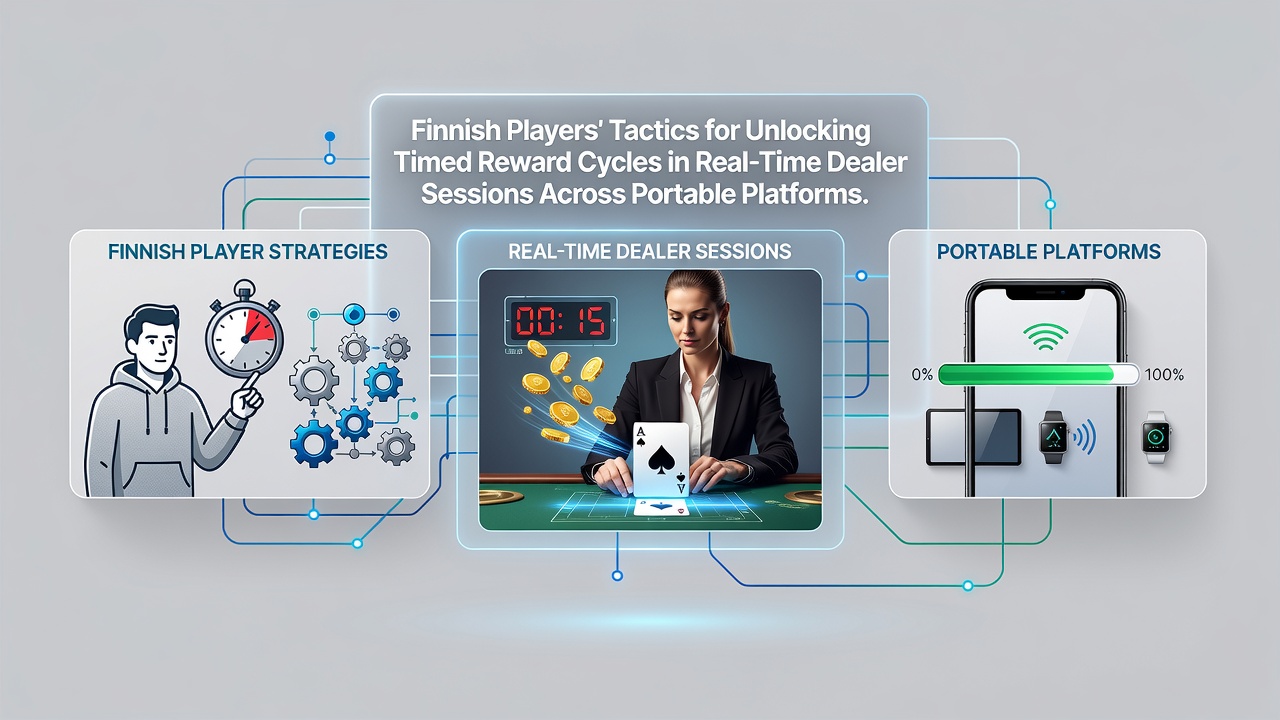
Finnish Players' Tactics for Unlocking Timed Reward Cycles in Real-Time Dealer Sessions Across Portable Platforms
Observers note that Finnish players have developed specific approaches to timed reward cycles within live dealer environments on mobile platforms, and these methods center on precise session timing combined with platform-specific features. Data from industry reports shows that such cycles typically reset at fixed intervals, which creates windows for reward activation when players align their participation accordingly, while real-time dealer interactions add layers of unpredictability that demand adaptive responses during August 2026 and beyond.
Core Mechanics of Timed Reward Cycles
Researchers have identified that timed reward cycles operate through algorithmic triggers tied to session duration, player activity levels, and dealer rotation patterns, and Finnish participants often track these elements using built-in mobile app notifications to anticipate resets. Studies indicate that portable devices facilitate quicker adjustments because screen interfaces allow simultaneous monitoring of multiple tables, whereas desktop setups limit such flexibility in fast-paced environments.
Evidence suggests that cycles frequently incorporate multipliers or bonus spins that unlock only after consecutive hands or specific betting thresholds, and players coordinate their entries to hit these marks just before expiration points. One documented pattern involves logging into sessions during low-traffic periods to secure dealer attention, which in turn accelerates progress through the reward sequence without extended wait times.
Observed Approaches Among Finnish Participants
Those who study mobile gambling behaviors report that Finnish players frequently employ staggered login strategies across different portable applications to test cycle variations, and this method reveals optimal entry points based on server response times. Data shows that synchronization with dealer shift changes can influence reward availability because new dealers sometimes reset internal timers independently of the main cycle clock.
- Monitoring network latency on mobile connections helps maintain stable sessions during peak reward windows, according to figures from the Malta Gaming Authority.
- Utilizing portrait mode interfaces allows quicker bet adjustments that align with cycle milestones without disrupting the flow of real-time play.
- Cross-referencing in-app timers with external clocks ensures precise timing when portable devices experience minor delays from background processes.
Turns out that combining these elements produces measurable improvements in cycle completion rates, and case examples reveal individuals who maintained consistent access to rewards by rotating between three or four mobile operators throughout a single evening.
Platform-Specific Adjustments in Live Dealer Formats
Portable platforms introduce variables such as touch-screen responsiveness and battery optimization modes that affect how cycles progress, and Finnish players adapt by disabling non-essential notifications to prevent interruptions during critical dealer interactions. Research indicates that certain applications prioritize Finnish-language support which includes localized cycle descriptions, giving participants clearer insights into remaining time before rewards activate.

What's interesting is that video streaming quality on 5G networks enables smoother observation of subtle dealer cues that correlate with cycle phases, whereas older connections introduce lag that disrupts timing precision. Observers have documented sessions where players switched between Wi-Fi and cellular data mid-cycle to stabilize the connection and preserve accumulated progress toward the next reward unlock.
Integration with Broader Session Management
Industry analyses from the Canadian Gaming Association highlight that Finnish users often integrate reward cycle tactics with overall bankroll pacing, and this integration prevents overextension during extended live dealer runs on tablets or smartphones. Evidence from university-led surveys points to the use of session logs stored directly on portable devices, which allow retrospective review of successful timing sequences for future application.
But here's the thing: real-time elements like chat interactions with dealers can provide indirect hints about upcoming cycle shifts, and players who engage selectively report gaining useful context without derailing their primary focus. Such approaches remain grounded in observable platform behaviors rather than external speculation, and continued monitoring through 2026 suggests these patterns will evolve alongside updates to mobile operating systems.
Conclusion
Patterns observed among Finnish players demonstrate that effective navigation of timed reward cycles in live dealer sessions relies on coordinated use of mobile tools, precise timing awareness, and adaptation to dealer dynamics. Figures reveal consistent application of these tactics across multiple platforms, while external data sources continue to track how portable technology shapes participation outcomes in regulated environments.